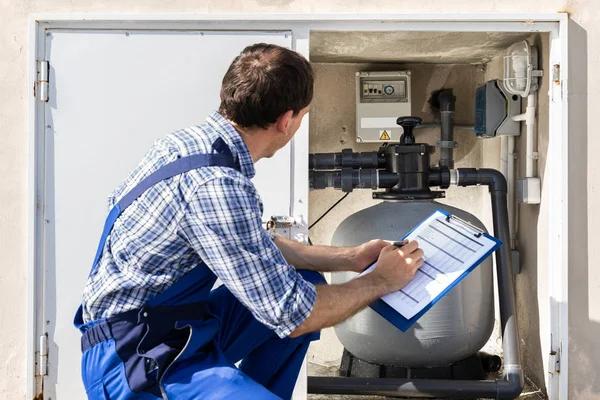
A thorough home plumbing inspection is essential for maintaining the efficiency and longevity of your plumbing system. Regular inspections help identify potential issues before they escalate into costly repairs or water damage. To conduct a complete home plumbing inspection, it’s important to systematically assess every component of the system, from fixtures to pipes and drainage.
Begin by examining all visible pipes for signs of corrosion, leaks, or damage. Pay close attention to joints and connections where leaks are most likely to occur. Look under sinks in kitchens and bathrooms as these areas often harbor slow leaks that can cause mold or wood rot over time. Inspect exposed pipes in basements or crawl spaces carefully; any moisture, rust stains, or mineral buildup could indicate a leak or pipe deterioration.
Next, check all faucets throughout the house by turning them on and off while observing water flow and pressure. Low pressure might suggest clogs or sediment buildup inside aerators or supply lines. Also listen for unusual noises such as banging or squealing which can point to air trapped in pipes or worn washers needing replacement.
Toilet functionality is another critical area during an inspection. Flush each toilet several times while watching for slow refills, continuous running helpful information water afterward, or wobbling tanks which may signal faulty flappers, fill valves, or loose bolts requiring adjustment.
Drainage systems deserve careful scrutiny as well since clogged drains lead to backups and unpleasant odors. Run water through every drain at normal speed checking how quickly it empties; slow draining indicates partial blockages that should be addressed promptly using safe methods like plungers rather than harsh chemicals that might harm pipes.
Water heaters require evaluation too because they play a vital role in daily comfort. Confirm there are no leaks around the tank base and ensure temperature settings are appropriate-usually around 120 degrees Fahrenheit-to prevent scalding risks while optimizing energy use. Sediment accumulation inside tanks reduces efficiency so flushing out the heater annually is recommended.
Finally, test shut-off valves located near sinks, toilets, appliances such as dishwashers and washing machines; these must operate smoothly without resistance so you can quickly stop water flow during emergencies.
Performing this comprehensive inspection regularly helps maintain your home’s plumbing health and prevents unexpected failures that disrupt daily life. If you encounter problems beyond basic fixes during your assessment, contacting a licensed plumber ensures professional diagnosis and repair with proper tools and expertise tailored to your system’s needs. By staying proactive with routine checks using this detailed approach you preserve both function and value within your property over time.