Preparing for your first appointment at a physiotherapy clinic can be an essential step towards improving your physical health and well-being. Whether you’re seeking treatment for an injury, chronic pain, or mobility issues, being prepared can help you make the most of your session and set the stage for successful rehabilitation.
Before your appointment, it is important to gather all relevant medical information that could assist in your treatment. This includes any recent X-rays, MRI results, or reports from other healthcare professionals involved in your care. Having these documents on hand will provide the physiotherapist with a comprehensive understanding of your condition and help them tailor a treatment plan specifically to meet your needs.
In addition to medical records, prepare a list of symptoms and concerns you would like to discuss during the consultation. Be specific about what triggers any pain or discomfort and note how it affects daily activities. This detailed account will enable the physiotherapist to identify patterns and potential underlying causes more effectively.
Choosing appropriate clothing is another key consideration when preparing for a physiotherapy session. Wear comfortable attire that allows freedom of movement so that you can perform exercises with ease. Depending on the area being treated, you may need visit here to expose certain parts of your body; therefore, wearing layers might be beneficial.
Arriving early for your appointment is advisable as it gives you time to complete any necessary paperwork without feeling rushed. Clinics often require new patients to fill out forms regarding their medical history, insurance details, and consent agreements before seeing the therapist.
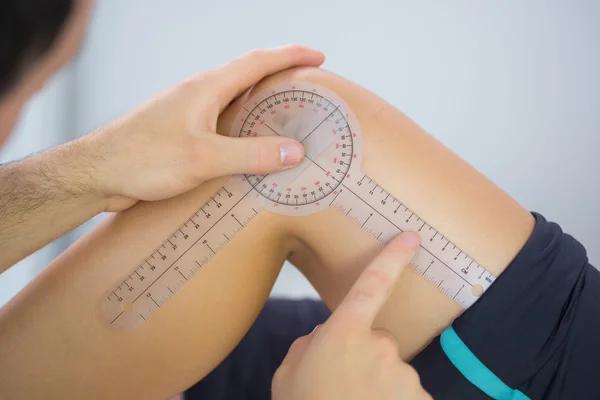
During the initial consultation, expect an in-depth assessment where the physiotherapist will evaluate aspects such as posture, range of motion, strength levels, and functional abilities related to everyday tasks. They may also ask questions about lifestyle habits including exercise routines or occupational demands which could influence recovery outcomes significantly.
Communication plays a vital role throughout this process; hence don’t hesitate if something isn’t clear – asking questions helps ensure mutual understanding between both parties involved while fostering trust within therapeutic relationships over time too!
Once assessments conclude successfully then comes goal-setting phase where collaborative efforts focus upon establishing realistic objectives aimed at enhancing overall functionality alongside reducing symptom severity progressively through personalized interventions designed uniquely around individual requirements accordingly thereafter subsequently implemented via structured programs comprising various modalities ranging from manual therapies stretching strengthening techniques among others depending case specifics encountered therein ultimately culminating improved quality life experiences long-term basis hopefully achieved eventually thereby benefiting greatly along journey undertaken together collaboratively always striving towards achieving optimal results possible given circumstances presented initially encountered originally upon entry into respective facilities concerned herein discussed today!