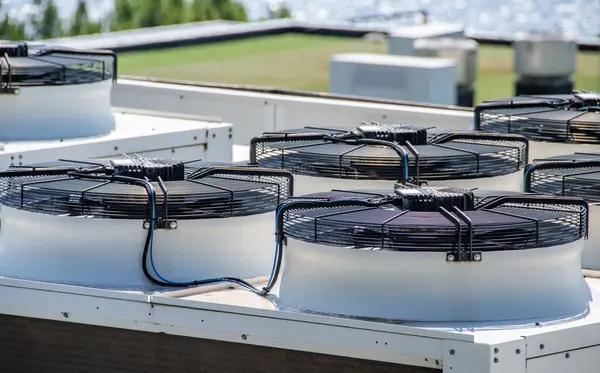
Heating, ventilation, and air conditioning (HVAC) systems play a crucial role in maintaining comfortable indoor environments. However, they are also among the largest consumers of electricity in residential and commercial buildings. Efficient HVAC solution services can significantly reduce electricity costs by optimizing system performance and ensuring proper maintenance. Regular servicing of HVAC units helps identify issues such as clogged filters, refrigerant leaks, or worn-out components that cause the system to work harder than necessary. When these problems are addressed promptly, the equipment operates more efficiently, consuming less energy to achieve desired temperatures.
One of the primary ways HVAC service reduces electricity expenses is through routine cleaning and maintenance. Dust and debris accumulation on coils and filters restrict airflow, forcing dive deeper into the topic here system to use additional power to circulate air effectively. By keeping these parts clean, technicians ensure smoother operation with lower energy demand. Additionally, professional inspections often include checking thermostat settings and calibrations to guarantee accurate temperature control. A properly calibrated thermostat prevents excessive cooling or heating cycles that waste electricity.
Upgrading outdated HVAC equipment during service visits can also contribute to cost savings. Older systems tend to be less energy-efficient due to technological advancements made over recent years. Modern units incorporate features like variable speed motors and smart controls that adjust operation based on real-time conditions rather than running at full capacity continuously. These improvements reduce unnecessary energy consumption without compromising comfort levels.
Another important aspect is sealing ductwork leaks identified during an HVAC inspection. Leaky ducts allow conditioned air to escape before reaching living spaces, leading to increased workload for the system as it compensates for lost air volume. Sealing these leaks improves overall efficiency by directing cooled or heated air exactly where it’s needed while reducing wasted energy expenditure.
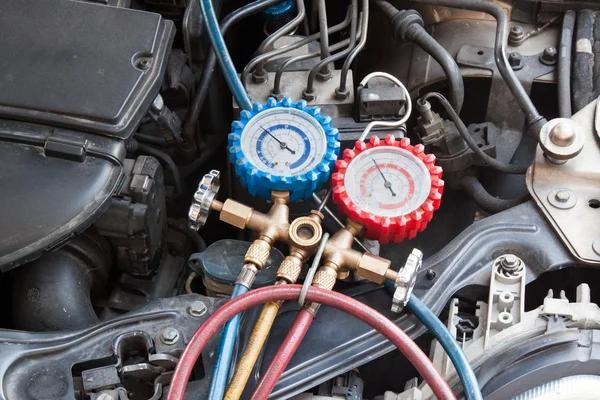
Proper refrigerant levels maintained through professional services enhance heat exchange processes within cooling units as well. Low refrigerant not only diminishes cooling effectiveness but forces compressors to run longer cycles using more power than required.
In summary, engaging reliable HVAC solution services offers multiple pathways for lowering electricity bills through improved system efficiency and reduced wastage of resources. Regular maintenance ensures smooth functioning while timely repairs prevent small issues from escalating into costly malfunctions demanding higher electrical input for operation purposes throughout their lifespan in homes or businesses alike.