Transformer blast walls are essential components in electrical substations, designed to mitigate the risks associated with transformer failures. These structures play a crucial role in ensuring safety and minimizing damage during incidents involving transformers, which can sometimes lead to catastrophic events like explosions or fires. Understanding their importance, design considerations, and installation procedures is vital for those involved in the planning and maintenance of electrical infrastructure.
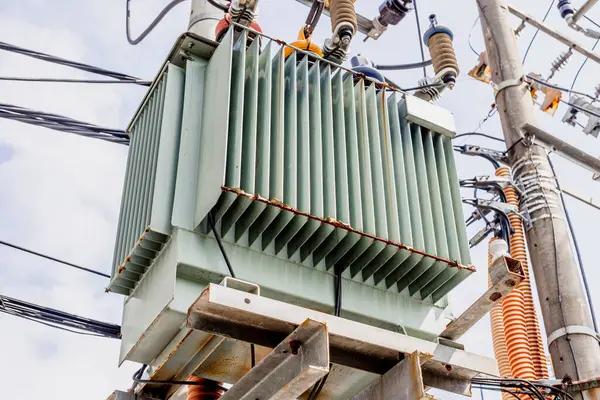
Transformers are pivotal in electricity distribution systems, stepping voltage levels up or down to facilitate efficient power transmission. However, they operate under high voltages and currents, making them susceptible to faults that could result in significant hazards. In the unfortunate event of a transformer failure, there is potential for violent explosions due to the release of energy contained within these devices. This is where Transformer Blast Walls come into play; they act as barriers that contain any explosive force or debris resulting from such failures.
The primary purpose of a transformer blast wall is to protect nearby equipment, personnel, and infrastructure by directing explosive forces upwards rather than outwardly towards sensitive areas. These walls are typically constructed using reinforced concrete due to its strength and durability under extreme conditions. The height and thickness of a blast wall depend on several factors including the size of the transformer it protects and its proximity to other critical assets.
In designing these protective structures, engineers must consider various aspects such as wind loadings, seismic activity potential in the area, fire resistance requirements, and environmental conditions. Additionally, regulatory standards often dictate specific criteria that must be met during construction; adherence ensures optimal performance during an incident.
Installation of transformer blast walls requires meticulous planning and execution by skilled professionals familiar with both engineering principles and safety protocols relevant to high-voltage environments. It involves site assessments followed by precise construction activities aimed at achieving structural integrity capable of withstanding anticipated forces from possible blasts.
Regular inspection forms part of ongoing maintenance routines post-installation; this ensures continued reliability over time while identifying any wear-and-tear issues that might compromise effectiveness if left unaddressed until too late when needed most urgently again someday possibly soon enough potentially even unexpectedly so always better safe than sorry!
In conclusion then: Transformer Blast Walls serve indispensable roles within modern-day power distribution networks worldwide today now more than ever before given increasing demands placed upon aging infrastructures everywhere globally speaking generally overall thus necessitating proactive measures safeguarding against unforeseen contingencies arising inevitably eventually sooner later perhaps who knows exactly but best prepared nonetheless regardless whatsoever happens hopefully never does though fingers crossed just case!