Professional machinery and equipment valuation is a critical component in various business activities, including mergers and acquisitions, financial reporting, insurance assessments, and asset management. The process involves determining the fair market value of machinery and equipment used in different industries, ranging from manufacturing to agriculture. Understanding how this valuation works can provide businesses with insights into their assets’ worth, ensuring informed decision-making.
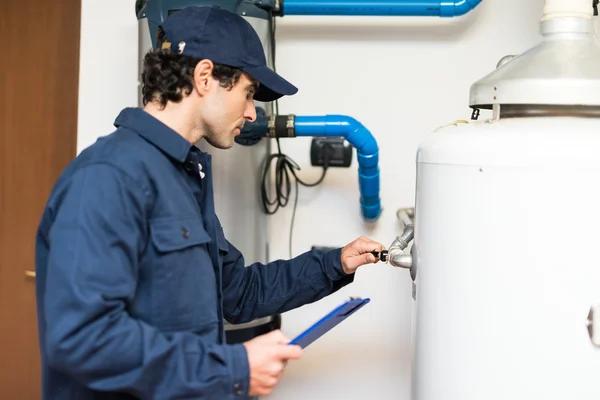
The valuation process begins with an appraisal by certified professionals who specialize in machinery and equipment. These appraisers possess extensive knowledge of the industry standards and are familiar with the types of equipment they evaluate. They start by conducting a thorough inspection of explore the details assets to assess their condition, age, functionality, and maintenance history. This on-site examination helps identify any physical or operational issues that might affect the value.
After inspecting the machinery or equipment physically, appraisers gather relevant data about each item being evaluated. This includes details such as make, model, serial number, capacity specifications, purchase date, original cost, and any modifications made over time. Additionally, they consider external factors like current market trends for similar items and economic conditions affecting supply and demand dynamics within specific sectors.
Once all necessary information is collected during these preliminary steps; professional valuers use three primary approaches: cost approach; sales comparison approach; income approach – depending on circumstances surrounding particular assignment requirements – which yield comprehensive results tailored specifically towards client needs while maintaining objectivity throughout entire evaluation process itself!
The cost approach estimates replacement costs considering depreciation factors based upon wear-and-tear levels observed during inspections conducted earlier stages mentioned previously above here today now too! It provides insight into what would be required financially speaking if one were looking replace said piece(s) altogether anew rather than repairing existing ones already owned currently instead perhaps?