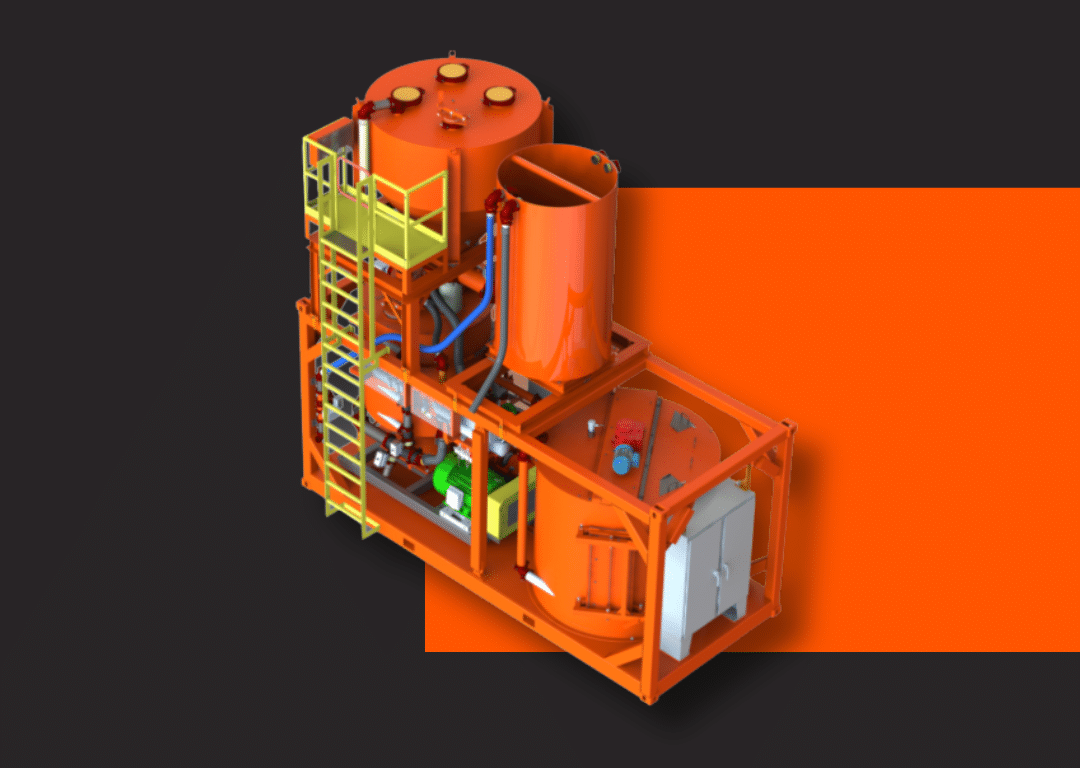
In modern construction work, the integration of advanced machinery and technology has significantly enhanced efficiency, quality, and sustainability. One such innovation that has gained prominence is the colloidal mixer. This equipment plays a crucial role in preparing various construction materials by ensuring thorough mixing and uniform consistency. The benefits of using a colloidal mixer in contemporary construction projects are manifold, contributing to improved structural integrity, cost-effectiveness, and environmental friendliness.
A primary advantage of the colloidal mixer is its ability to produce highly homogeneous mixtures. In construction, materials like cement slurry, grout, mortar, and concrete require precise blending to achieve optimal performance characteristics. The colloidal mixer’s design ensures that all components-water, cementitious materials, additives-are uniformly dispersed at a microscopic level. This uniformity leads to stronger bonds within the material matrix and reduces weak points that could compromise structural stability over time.
Moreover, the efficiency of colloidal mixers directly impacts project timelines. Traditional mixing methods often involve manual labor or less sophisticated machines that may not guarantee consistent results quickly. Colloidal mixers operate at high speeds with powerful shear forces that rapidly blend ingredients without lumps or segregation issues. Consequently, this accelerates preparation times for essential mixtures on-site or in batching plants while maintaining superior hydraulic cement pump quality standards.
Another significant benefit lies in water conservation and waste reduction. Due to their precise control over mixture consistency and water content optimization capabilities, colloidal mixers help minimize excess water use-a common problem leading to weaker concrete mixes or unnecessary runoff pollution during construction activities. By reducing wastage through accurate measurements and efficient blending processes, these mixers contribute positively toward sustainable building practices aligned with modern environmental regulations.
The versatility of colloidal mixers also enhances their appeal across diverse applications within construction projects. They can handle various types of mixtures beyond just traditional concrete; for example slurry walls used in deep foundation work rely heavily on well-mixed bentonite slurries produced efficiently by these machines. Additionally, soil stabilization techniques benefit from properly mixed chemical agents combining seamlessly with native soils due to the mixer’s intense homogenization process.
Furthermore, maintenance costs associated with colloidal mixers tend to be lower compared to other mixing equipment because they are designed for durability under continuous operation conditions typical on busy job sites. Their robust build minimizes downtime caused by mechanical failures which otherwise delay project progress and increase expenses.
In summary, incorporating a colloidal mixer into modern construction workflows offers substantial advantages: enhanced mixture quality ensuring durable structures; faster preparation times boosting productivity; resource-efficient operations supporting eco-friendly goals; broad adaptability improving material handling flexibility; plus reduced operational costs promoting economic feasibility for contractors globally. As urban development demands continue rising worldwide necessitating rapid yet reliable building solutions-the role of innovative tools like the colloidal mixer becomes indispensable for achieving excellence in contemporary civil engineering endeavors.