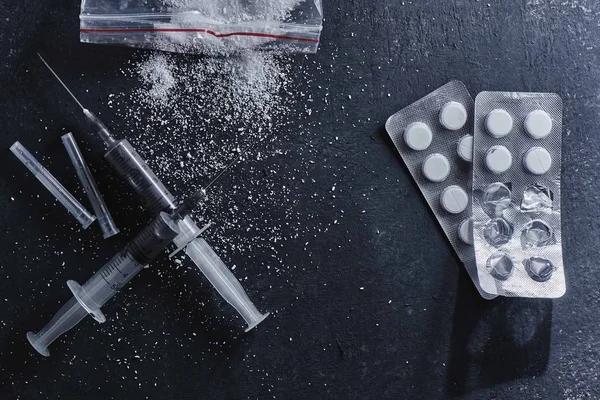
A drug rehabilitation center plays a crucial role in supporting individuals struggling with substance abuse as they move from detoxification to full recovery. The journey begins with detox, which is the process of clearing the body of addictive substances. This initial phase is often challenging because withdrawal symptoms can be intense and uncomfortable. Medical supervision during detox is essential to ensure safety and manage these symptoms effectively. Healthcare professionals monitor vital signs, provide medications if necessary, and offer emotional support to help patients through this difficult stage.
Once detox is complete, the focus shifts toward therapy and counseling aimed at addressing the psychological aspects of addiction. Substance abuse rarely exists without underlying emotional or mental health issues, so treatment plans are designed to explore these root causes. Individual therapy allows patients to discuss their experiences and triggers in a confidential setting while group therapy provides peer support and shared understanding among those facing similar struggles. These therapeutic approaches foster personal growth, self-awareness, and coping skills that are critical for long-term sobriety.
Drug rehab
Inpatient tampa rehabilitation center programs offer a structured environment where individuals live on-site for several weeks or months depending on their needs. This controlled setting minimizes exposure to triggers found in everyday life such as stressful situations or social circles that encourage substance use. Patients follow daily routines including therapy sessions, educational workshops about addiction, physical activities for overall wellness, and relapse prevention strategies. The comprehensive nature of inpatient care helps build a strong foundation for sustained recovery by promoting healthy habits and positive lifestyle changes.
Outpatient programs serve as an important next step after inpatient treatment or as an alternative for those unable to commit fully to residential care. These programs allow individuals to maintain responsibilities like work or family while attending regular counseling sessions tailored to their progress level. Continuing care through outpatient services reduces the risk of relapse by providing ongoing support during reintegration into daily life.
Family involvement is another key component throughout the rehabilitation process since addiction affects relationships deeply. Many centers include family therapy sessions designed to improve communication patterns and rebuild trust between patients and loved ones.
Ultimately, drug rehabilitation centers guide individuals through a comprehensive recovery journey starting with medical detoxification followed by therapeutic interventions aimed at lasting behavioral change. Success depends on personalized treatment plans addressing physical dependence alongside mental health challenges within supportive environments fostering resilience against future substance use temptations.
Riverside Recovery of Tampa
4004 N Riverside Dr., Tampa, FL 33603
813-279-6900