Creating detailed and unique tattoos is an intricate art form that requires a combination of creativity, skill, and technical knowledge. The process begins long before the needle touches the skin. It starts with an idea or concept, often inspired by personal stories, cultural symbols, or artistic influences. This initial phase involves collaboration between the client and the tattoo artist to ensure that the final design truly represents what the client envisions.
The first step in creating a unique tattoo is consultation. During this session, clients discuss their ideas with the artist, sharing any reference images or themes they want to incorporate. The artist listens carefully to understand not only what the client wants but also why it holds significance for them. This understanding allows artists to infuse personal meaning into every line and shade of ink.
Once a clear concept is established, artists begin sketching preliminary designs. This stage demands both creativity and technical prowess as they translate abstract ideas into tangible sketches. Artists must consider factors such as body placement, size, color palette, and style—whether it’s realism, traditional Americana, Japanese irezumi, or something entirely avant-garde—to suit both aesthetic preferences and anatomical contours.
Tattoo artists use various tools for designing; some prefer digital platforms for their flexibility while others stick to traditional pencil-and-paper methods. Regardless of medium choice, precision in design is crucial because even minor miscalculations can lead to significant issues during application read more on our site skin.
After finalizing a design that satisfies both parties involved—client satisfaction being paramount—the next phase involves preparing for execution on skin. Hygiene standards are rigorously maintained throughout this process; sterilization of equipment like needles ensures safety against infections while high-quality inks guarantee longevity without fading over time.
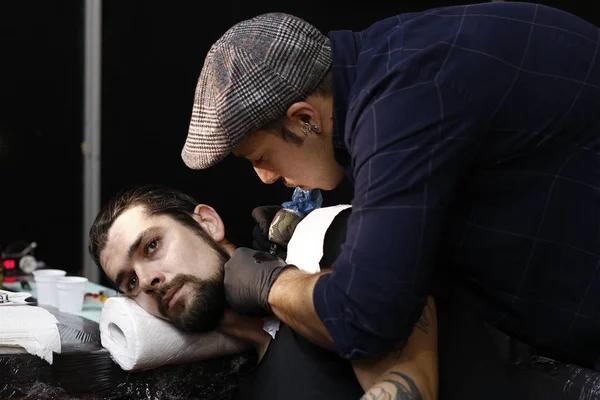
Application itself requires immense concentration from artists who need steady hands when guiding machines across diverse textures presented by human bodies’ natural topography—each curve demanding careful adaptation so no detail gets lost amidst movement caused by breathing patterns beneath surfaces worked upon tirelessly until completion achieved successfully!